What Is Clay Pigeon Shooting?
A Beginner’s Guide to Clay Shooting
Short introduction:
Discover how clay pigeon shooting works, the different types of targets and disciplines, and what to expect when you try clay shooting for the first time.
What Is Clay Pigeon Shooting?
Clay pigeon shooting is a sport in which a shotgun is used to shoot moving clay targets launched into the air or across the ground. The targets are designed to imitate the flight and movement of game birds and other quarry.
Despite the traditional name, no pigeons are involved. Modern clay targets are specially manufactured discs that are launched from machines known as traps.
Clay shooting can be enjoyed by complete beginners as well as experienced competitive shooters. Different shooting disciplines present the clays at different speeds, angles and directions, making it a sport where there is always something new to learn.
How Does Clay Pigeon Shooting Work?
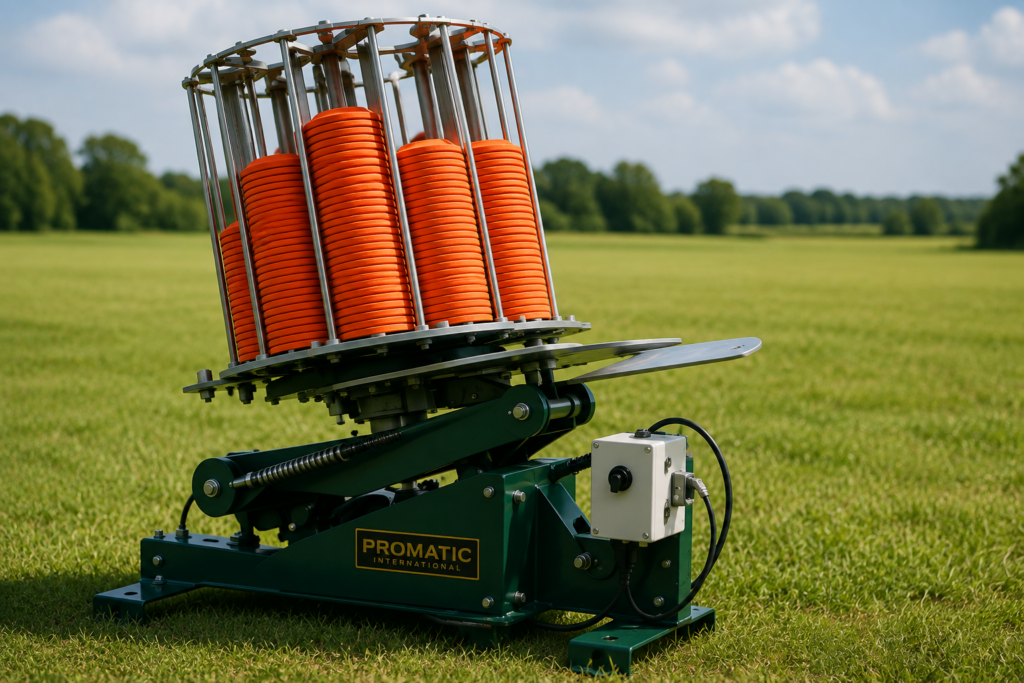
Clay Pigeon Shooting Trap
A clay shooting layout uses machines called traps to launch clay targets into the air or across the ground. Depending on the discipline, the shooter may know where the target will appear or may have to react to targets coming from different directions.
The shooter calls “Pull!” when ready. The clay is released and the shooter tracks its movement, mounts the shotgun and fires at the moving target.
Good clay shooting is not simply about pointing at the clay. Because the target is moving, the shooter normally needs to allow for its speed and direction — often referred to as lead.
What Are Clay Pigeons Made Of?
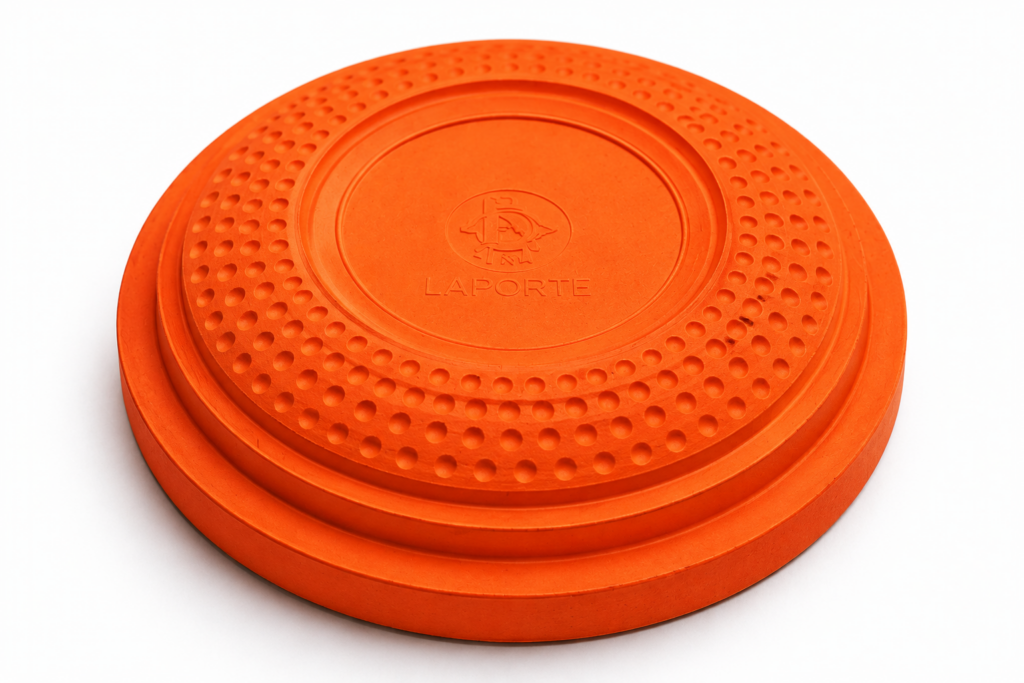
Despite their name, clay pigeons are not actually made from clay. Modern targets are usually manufactured from a mixture of limestone and pitch, formed into a hard, brittle disc designed to break when struck by shotgun pellets.
The familiar standard clay is usually around 110 mm across, but clay targets come in several different shapes and sizes. These include smaller mini and midi clays, flatter battue targets that can turn dramatically in flight, and rabbit targets designed to roll and bounce across the ground.
These different targets allow shooting grounds to create an enormous variety of presentations, from a clay travelling directly away from the shooter to fast crossing, dropping, rising and rolling targets.
What Are the Different Types of Clay Pigeon Shooting?
Clay pigeon shooting includes several different disciplines, each designed to test the shooter in a different way. Some use predictable targets, while others present clays at varying speeds, heights and angles.
English Sporting – Designed to recreate the variety of targets encountered in the field. Clays may cross, rise, drop, come towards the shooter or travel away.
Skeet – Targets are launched from two fixed trap houses and cross the shooting area on predetermined flight paths.
Down-the-Line (DTL) – Targets are launched away from the shooter from a trap that constantly changes direction.
Olympic Trap and Olympic Skeet – Faster and more technically demanding disciplines shot internationally and at Olympic level.
There are many other clay shooting disciplines, but they all share the same basic challenge: successfully hitting a moving target with a shotgun.
In the UK, many clay shooting disciplines and competitions are governed by the Clay Pigeon Shooting Association (CPSA).
Can Beginners Try Clay Pigeon Shooting?
Yes. You do not need any previous shooting experience to try clay pigeon shooting. With professional instruction, complete beginners can learn the basic safety rules, how to hold and mount a shotgun, and how to shoot their first moving clay targets.
A good instructor will choose a shotgun suitable for the individual and begin with straightforward targets before gradually introducing different angles and speeds.
One of the attractions of clay shooting is that beginners can often start breaking targets during their very first session. As their confidence and technique improve, increasingly challenging targets can be introduced.
At Guns & Clays, beginners can choose between a Clay Pigeon Shooting Experience for an enjoyable introduction to the sport or one-to-one Shooting Tuition for more focused instruction.
What Happens When You Try Clay Pigeon Shooting for the First Time?
Your first clay shooting session normally begins with a safety briefing and an introduction to the shotgun. Your instructor will explain how the gun works, how to handle it safely and the correct stance to use when shooting.
You will then learn how to mount the shotgun comfortably into your shoulder and position your head correctly on the stock. Before firing, your instructor will explain where the clay will appear and how to follow its flight.
Once you are ready, you call “Pull!” and the target is released. Your instructor can then help you adjust your technique until you start breaking clays.
There is no need to worry about bringing specialist equipment for your first session. At Guns & Clays, the shotgun, cartridges, clays, safety equipment and professional instruction are provided as part of the experience.
Is Clay Pigeon Shooting Safe?
Clay pigeon shooting is a highly controlled activity when carried out correctly and under professional supervision. Safety is always the first priority.
Before shooting begins, participants are shown how to handle a shotgun safely and are taught the basic rules that apply on a shooting ground. The shotgun remains under control at all times and is only loaded when the shooter is in the correct position and ready to shoot.
Hearing protection is worn while shooting, and appropriate eye protection may also be used. Beginners are closely supervised by an experienced instructor throughout their session.
Following these simple procedures allows newcomers to concentrate on learning the technique and enjoying their first experience of clay pigeon shooting.
Do You Need a Shotgun Licence for Clay Pigeon Shooting?
You do not normally need to hold your own shotgun certificate simply to try clay pigeon shooting for the first time. Beginners can shoot under appropriate arrangements using a shotgun provided for the session.
This means you can experience clay pigeon shooting before deciding whether you want to take the sport further or own a shotgun yourself.
If you later decide to buy your own shotgun, shoot independently or become a regular participant, you may wish to apply for a shotgun certificate and learn more about gun ownership, storage and the relevant legal requirements.
Guns & Clays also provides independent shooting, shotgun and licensing advice for people who would like help understanding their options.
Is Clay Pigeon Shooting Difficult?
Clay pigeon shooting is relatively easy to try, but mastering it can take a lifetime. That combination is one of the reasons the sport is so enjoyable.
Beginners often expect to aim directly at the clay. In reality, because the target is moving, the shooter usually needs to move the shotgun smoothly with the target and allow for its speed, angle and distance.
With good instruction, many beginners are surprised by how quickly they can start breaking clays. As technique improves, more challenging targets can be introduced to develop timing, consistency and confidence.
Missing is also part of clay shooting. Even experienced shooters miss targets — the important thing is understanding why a clay was missed and making the correct adjustment for the next shot.
Ready to Try Clay Pigeon Shooting?
Whether you simply want to experience clay shooting for the first time or would like to develop your shooting technique, Guns & Clays can help.
Our Clay Pigeon Shooting Experiences provide an enjoyable introduction for beginners, couples, friends and groups, while our Shooting Tuition offers more focused instruction for anyone wanting to improve their skills.
All necessary shooting equipment is provided, with professional instruction throughout your session in Cambridgeshire.